Understanding the Rapid Arctic Warming Phenomenon
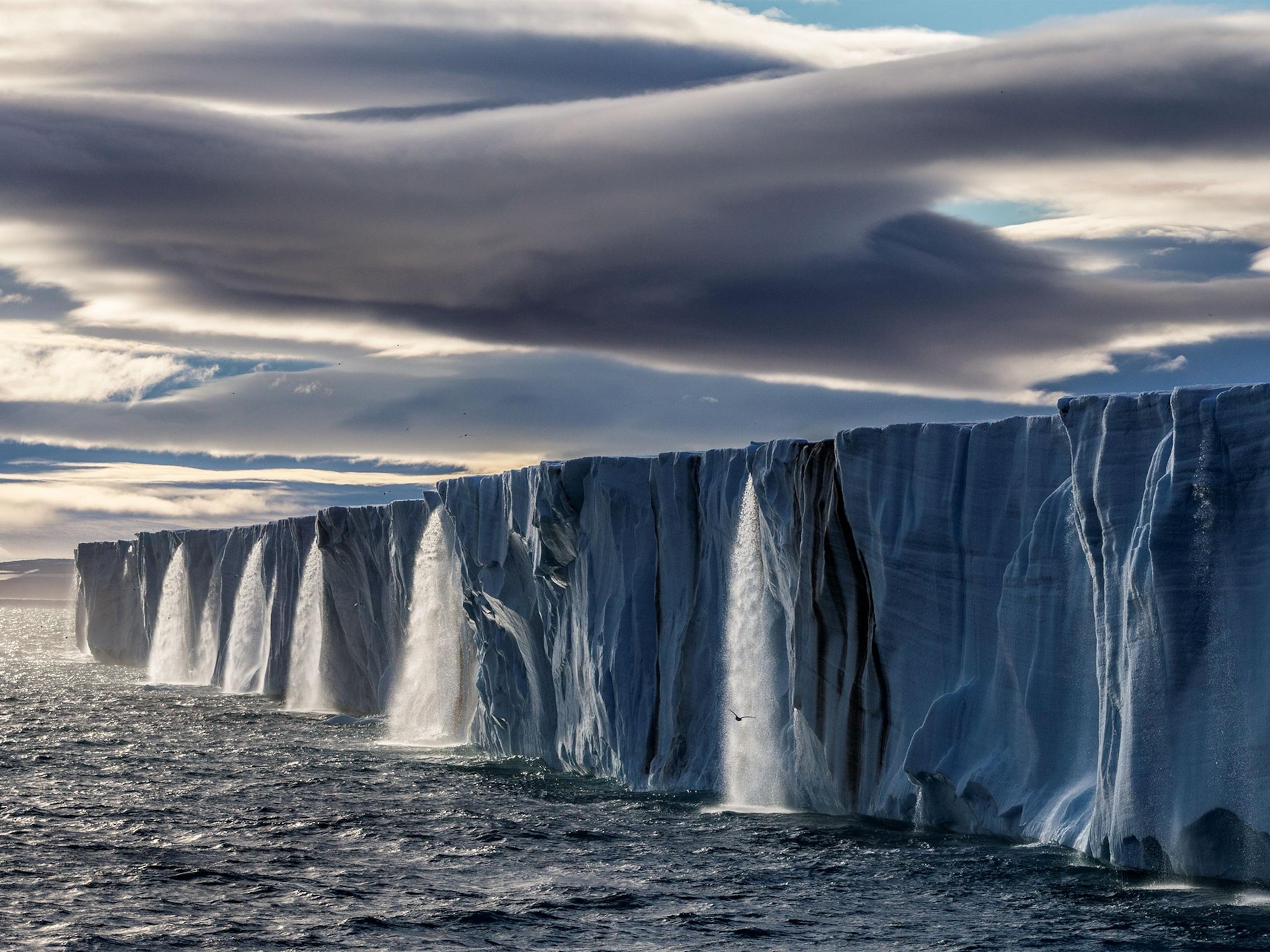
The Arctic, a region that is pivotal to the global climate system, continues to warm at a pace that far exceeds the rest of the planet. Despite observations suggesting a pause in global warming trends, the Arctic has shown no signs of relenting, with temperatures consistently rising. This relentless increase in temperature points to global warming as the culprit rather than random climatic variability.
The Concerning Trends of Climate Change in the Arctic
Over the last 30 years, distinct warming and greening of the Arctic have been recorded. New economic frontiers are opening up in the Arctic Ocean due to reduced sea ice, ushering in an era of shipping, drilling, and fishing. However, the swift ecological changes bring forth significant challenges, such as necessitating an increased Navy and Coast Guard presence to monitor burgeoning ship traffic.
Regional Variations Highlight Complex Climate Patterns
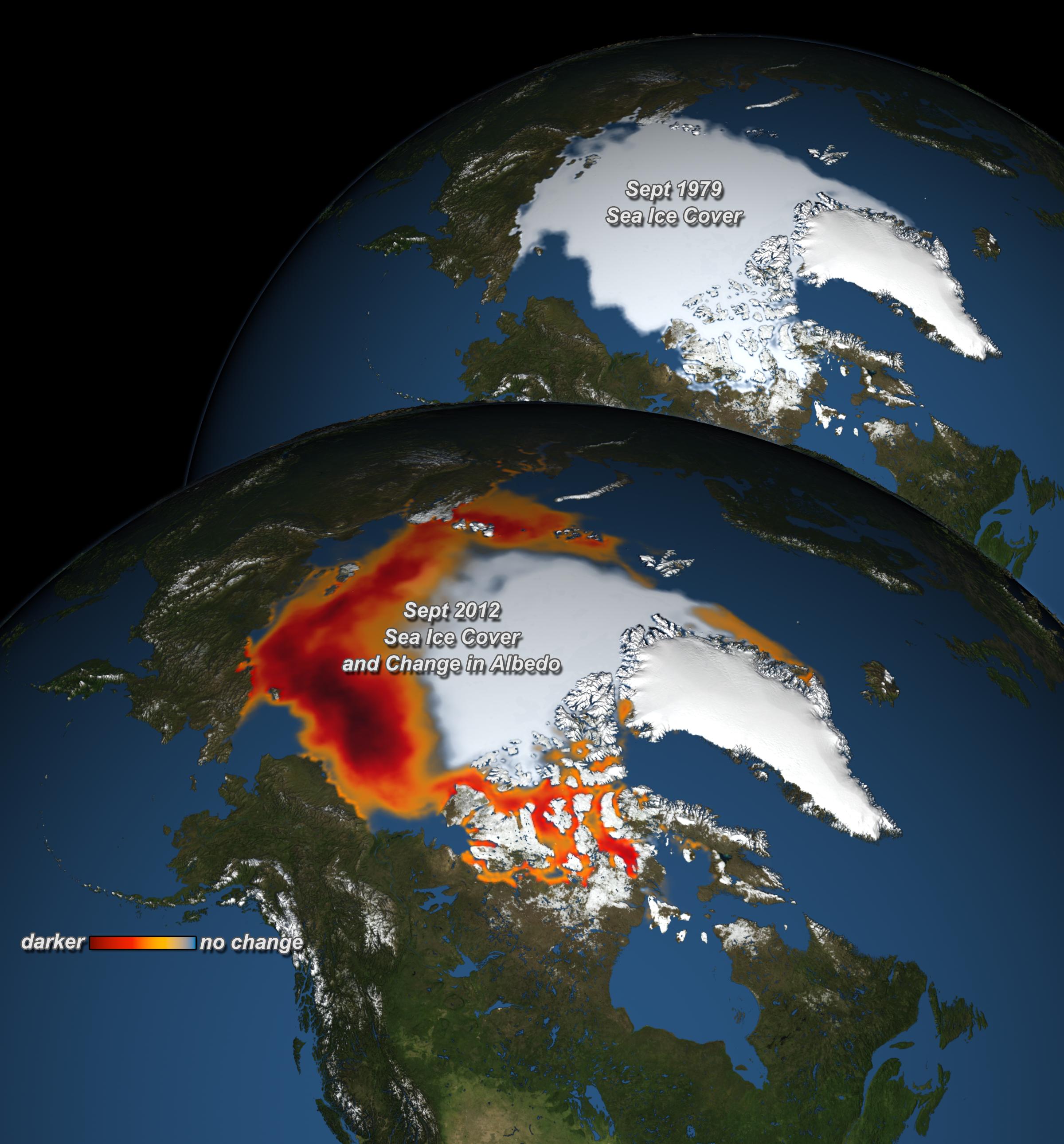
While the overall trend shows an alarming warming of the Arctic, regional analyses reveal a tapestry of climate anomalies. Some areas experience exceptional warmth, while others show unexpected cooling periods. These variations underpin the complex nature of Arctic climatology and its profound effects on local flora and fauna.
Impact of Decreasing Ice and Rising Sea Temperatures
The melting sea ice has led to a significant increase in the Arctic Ocean's absorption of solar energy. Contrary to predictions, increases in open water have not consistently led to greater cloudiness in summer that might mitigate the warming effect. Instead, the influx of solar radiation is heating up the water, prompting changes in marine ecosystems such as spikes in plankton populations, which have broad implications for the marine food chain.
Polar Bears and the Shrinking Habitats

One of the most iconic species of the Arctic, the polar bear, has suffered habitat loss due to diminishing sea ice. While some populations remain stable, others have seen dramatic declines, underlining the urgent need for continued and comprehensive monitoring of this key indicator species in the face of climate change.
Observing Changes and the Future of the Arctic
With rapid changes ongoing and expected to continue, expanding our monitoring capacity in the Arctic is crucial. Understanding the complex environmental shifts and improving predictions is vital for preparing and responding appropriately to these unprecedented changes.
Experiencing the Arctic: Travel and Exploration Amidst Change
The Arctic not only serves as an indicator of global climate health but also offers unique travel experiences that could be profoundly different in the near future. As the landscape transforms, so does the nature of Arctic exploration. Individuals seeking to witness this changing environment contribute to the local tourism economy, which in turn emphasizes the importance of sustainable practices in preserving the Arctic's fragile ecosystems.
Edinburgh
- Edinburgh Hotels For Sale
- Hotels Near Botanic Gardens Edinburgh
- Compare Hotels Edinburgh
- Hotels St Andrews Square Edinburgh
- Hotels George Street Edinburgh
- Hotels In Edinburgh City Centre With Pool
- Trivago Edinburgh Hotels
- Tripadvisor Edinburgh Hotels
- 4 Star Hotels In Edinburgh City Centre
- Best Edinburgh Hotels With Parking